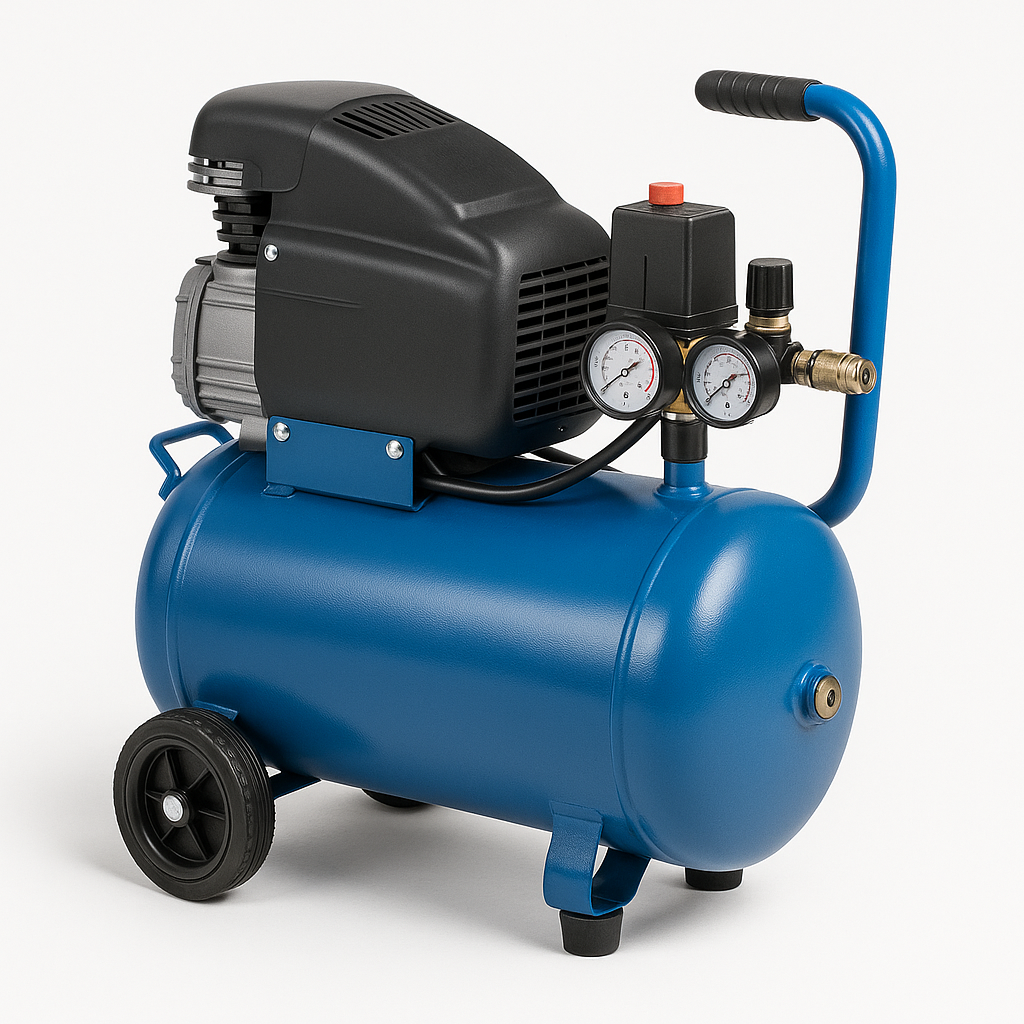
How 10 Bar Air Compressor Was The Most Talked About Trend In 2024
Understanding the 10 Bar Air Compressor: Features, Uses, and Recommendations
Air compressors are vital tools in different markets and home workshops. Amongst the different types of air compressors available, the 10 bar air compressor stands out for its outstanding pressure capabilities and flexibility. This blog site post looks into the features, uses, and recommendations for 10 bar air compressors, making sure readers leave with an extensive understanding of this essential equipment.
What is a 10 Bar Air Compressor?
A 10 bar air compressor is a kind of air compressor developed to produce a maximum pressure of 10 bar (approximately 145 psi). This high-pressure output makes it suitable for a variety of applications, from powering pneumatic tools to pumping up tires and running equipment.
Secret Features of 10 Bar Air Compressors
When considering a 10 bar air compressor, several features should be taken into account:
Feature
Description
Pressure Rating
Optimum pressure of 10 bar (145 psi).
Capability
Usually varies from 3 to 10 CFM (Cubic Feet per Minute), influencing the tools that can be powered at the same time.
Tank Size
Readily available in various tank sizes (e.g., 6, 10, 15, and 50 gallons), impacting the compressor's runtime and storage.
Source of power
Can be powered by electricity or fuel, offering versatility for various environments.
Portability
Some models are designed to be portable, including wheels and a compact style for ease of transportation.
Functional Noise
Differs by model; quieter compressors are readily available for domestic or indoor usage.
Applications of 10 Bar Air Compressors
The versatility of 10 bar air compressors permits them to be used in various settings:
- Automotive Mechanics: Essential for powering pneumatic tools such as impact wrenches, sanders, and painting devices.
- Building and construction Sites: Used for nail guns, air drills, and other pneumatic equipment that need dependable, high-pressure air supply.
- Woodworking: Ideal for running tools like air saws and staplers, improving precision and performance.
- Manufacturing: Helps in assembly lines where air-powered tools are required for mass production.
- Home Use: Suitable for DIY projects, pumping up tires, and even for air brush painting.
Advantages of Using a 10 Bar Air Compressor
- Performance: High pressure output permits the operation of numerous tools simultaneously, increasing efficiency.
- Durability: Many systems are constructed with robust materials, created for heavy-duty usage.
- Flexibility: Can be utilized across numerous applications, making them a valuable property for both hobbyists and professionals.
Disadvantages of 10 Bar Air Compressors
- Weight and Size: Depending on the tank size, some models may be bulky and tough to move.
- Noise Levels: Some compressors can be rather loud; users may require to consider noise-reducing options based on their workplace.
- Expense: Higher pressure compressors often include a larger price tag compared to lower-pressure alternatives.
Aspects to Consider When Buying a 10 Bar Air Compressor
When buying a 10 bar air compressor, think about the list below factors:
Factor
Description
Type of Compressor
Choose between a piston (reciprocating) or rotary screw compressor based upon pressure requirement and efficiency.
Power Requirements
Inspect the voltage and amperage needed to guarantee compatibility with existing electrical systems or generators.
Maintenance Needs
Look for models that offer simple gain access to for regular maintenance to extend life expectancy and maintain efficiency.
Warranty and Support
A great guarantee and customer service can be crucial for fixing and repair work.
Popular 10 Bar Air Compressor Models
Here are numerous popular designs and their basic requirements for referral:
Model
Max Pressure (Bar)
Tank Size (L)
Power (HP)
CFM
Weight (kg)
Model A
10
50
3
10
45
Model B
10
30
2.5
8
40
Model C
10
6
1.5
2.5
20
Design D
10
25
2
6
35
Frequently Asked Questions (FAQs)
1. What kinds of tools can I power with a 10 bar air compressor?
A 10 bar air compressor appropriates for pneumatic tools such as impact wrenches, nail guns, spray weapons, and air drills.
2. How typically should I preserve my air compressor?
Upkeep frequency depends upon usage, however a regular monthly inspection of oil levels, filters, and tubes is recommended.
3. Can I use a 10 bar air compressor for pumping up tires?
Yes, a 10 bar air compressor can efficiently inflate tires, making it a popular choice for automobile applications.
4. Are 10 bar air compressors loud?
Noise levels can vary by design. Search for models specifically designed with noise reduction functions if that is an issue.
5. Is it much better to have a larger tank size?
A bigger tank size can keep more air, enabling extended use without requiring to pump air continuously. Nevertheless, it can likewise make the compressor heavier and less portable.
In summary, a 10 bar air compressor is a flexible and effective tool ideal for different applications across multiple markets. By comprehending Myntek , advantages, and factors to consider when buying, users can make educated decisions that finest match their requirements. With the ideal model, a 10 bar air compressor can significantly improve productivity and efficiency in both professional and home settings. Whether it's for automotive repair work or home tasks, purchasing quality devices can yield long-lasting advantages for users.